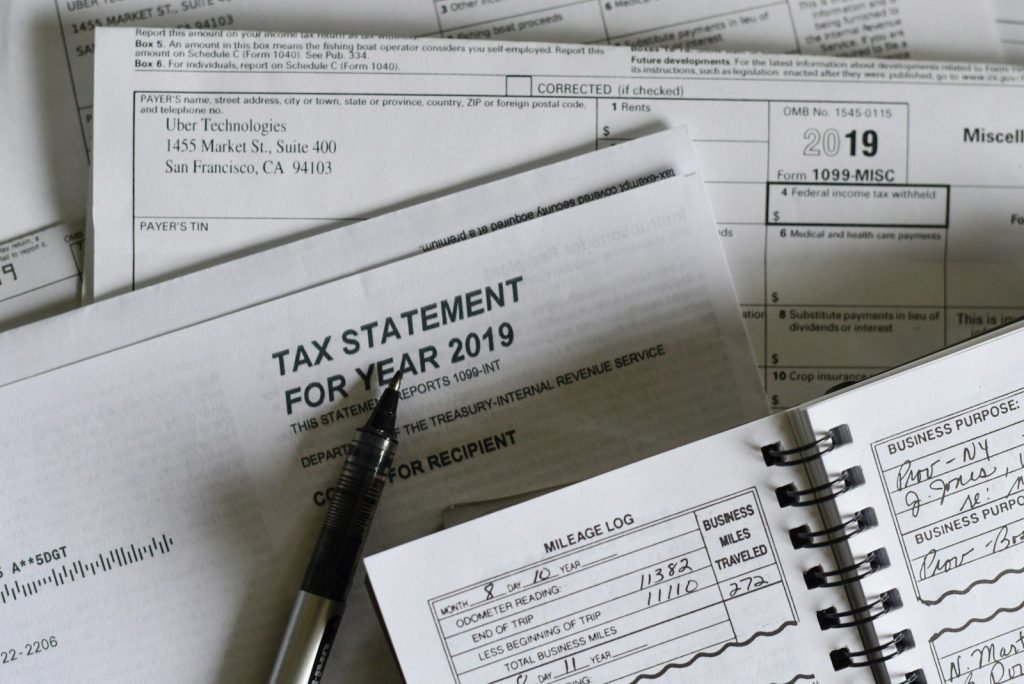
Nobody starts a business thinking about payroll tax deposit penalties. Then one missed deadline later, you're staring at an IRS notice wondering how a simple timing mistake turned into a four-figure problem.
Here's what you actually need to know.
What Are IRS Payroll Tax Deposit Penalties?
When you have employees, you're required to withhold federal income tax, Social Security, and Medicare from their paychecks and deposit those funds with the IRS on a set schedule. Miss that schedule, and the IRS charges a failure-to-deposit penalty. [Link opportunity: “IRS payroll tax deposit schedule”]
This isn't the same as filing your taxes late. This is specifically about when you send the money. The IRS takes it seriously because those withheld wages are technically the employees' tax dollars. You're just the one holding them temporarily.
How Much Are the Penalties?
The penalty scales based on how late the deposit is, and it moves quickly.
In the 2026 rules, deposits made 1 to 5 days late are charged at 2%. From 6 to 15 days late, that jumps to 5%. Beyond 15 days, you're looking at a 10% penalty. If the IRS has to send you a notice and you still haven't paid ten days after receiving it, the penalty hits 15%.
On a $10,000 payroll tax deposit, a 15% penalty is $1,500. For being late on paperwork.
State payroll tax penalties layer on top of all this, and they vary by state. Some are lenient. Many are not.
Who Has to Follow Deposit Schedules?
Most employers fall into one of two deposit schedules: monthly or semi-weekly. Which one applies to you depends on your total tax liability during a lookback period the IRS defines. New employers generally start on the monthly schedule.
If your accumulated payroll tax liability hits $100,000 on any given day, you're required to deposit the next business day regardless of your normal schedule. This one catches people off guard more than almost anything else.
The Mistakes That Trigger Penalties Most Often
Depositing to the wrong account or using the wrong tax period is more common than you'd think. The IRS Electronic Federal Tax Payment System (EFTPS) requires careful entry, and a simple misclassification can create a matching problem that reads as a missed deposit.
Waiting until the 941 quarterly return is due to send the actual deposits is another frequent mistake. The quarterly return and the actual tax deposits are two separate things with two separate deadlines.
Can You Get the Penalty Waived?
Sometimes. The IRS does offer penalty abatement for first-time issues or if you can demonstrate reasonable cause. It's not guaranteed, but it's worth pursuing if you have a clean compliance history and a legitimate explanation.
The better strategy, obviously, is not getting the penalty in the first place.
The Easiest Way to Avoid All of This
Good payroll software handles deposit scheduling automatically. Your tax deposits go out on time, to the right place, in the right amounts, without you manually tracking IRS deadlines every two weeks. For most small business owners, this alone justifies the cost of the software.
I've been using Gusto for years and it has genuinely kept me sane. It handles federal and state tax deposits automatically, files the forms, and keeps your records clean year-round. Whether you're an S-Corp owner running solo payroll or managing a larger organization with more moving parts, it removes the margin for the kind of human error that ends with an IRS notice in your mailbox.